How Common Is Lyme Disease in Ontario?
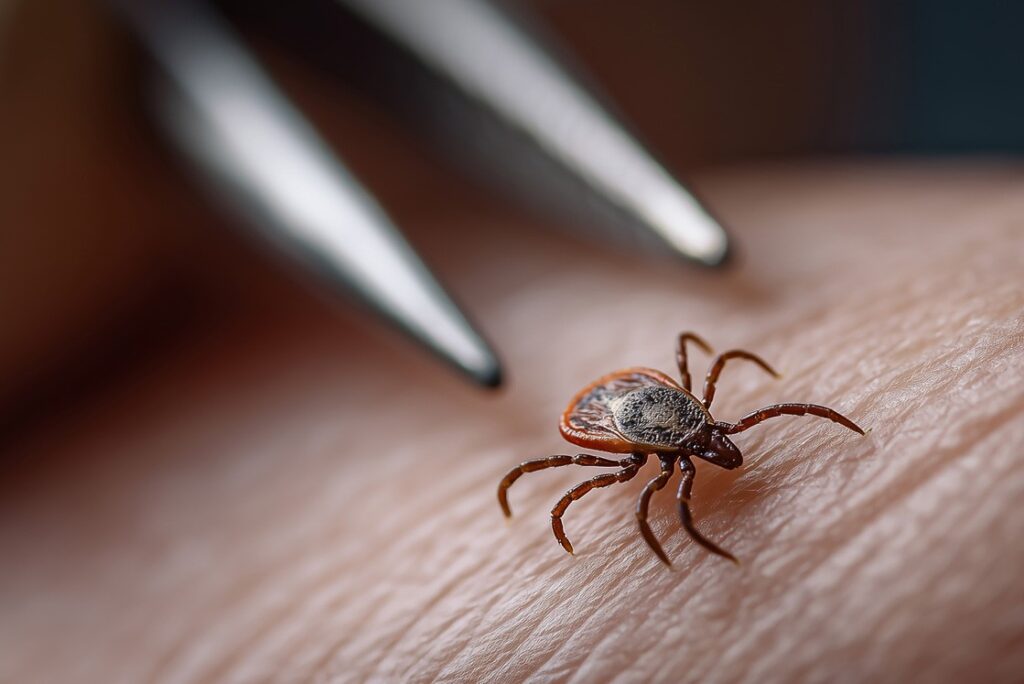
Global warming isn’t a distant threat. It is a reality reshaping our landscapes and long-held beliefs. For generations, we counted on the steady patterns of our environment. But now those patterns are shifting.
We see dramatic changes even in places once thought safe. A clear example is the blacklegged tick. The main carrier of Lyme disease and is moving north into Canada. Regions once protected by harsh winters are now vulnerable. Their milder climates are welcoming these unwelcome pests. The results are immediate and alarming.
In this post, we will explore how Lyme disease is emerging as a growing threat. You will learn practical steps every Ontarian can take to protect themselves from tick bites and tick transmitted infection. We will also cover why tick-borne illness is the MCCQE exam topic you can’t afford to overlook.
Lyme Disease in Toronto and the GTA
For a long time, many people in Toronto treated tick-borne illness as someone else’s problem. A risk tied to cottage trips, deep woods or places far beyond the city line.
But that story is out of date. In the Toronto area, the real divide is not city versus countryside. It is pavement versus habitat. The danger tends to gather in wooded trails, brushy edges, ravines, and tall grass. Where ticks wait low in the vegetation and latch on when a person or animal passes through.
Toronto’s own surveillance shows why that matters. In several survey years. The city found blacklegged ticks in Rouge Valley and Rouge National Urban Park. And many of those ticks. Tested positive for the bacteria that causes Lyme infection.
The results were not identical everywhere. For example, some rounds in High Park found none. But that unevenness is the point.
Lyme risk in Toronto is real. Yet it is highly local. Shaped by the natural corridors where deer, birds, pets and people move through the same space.
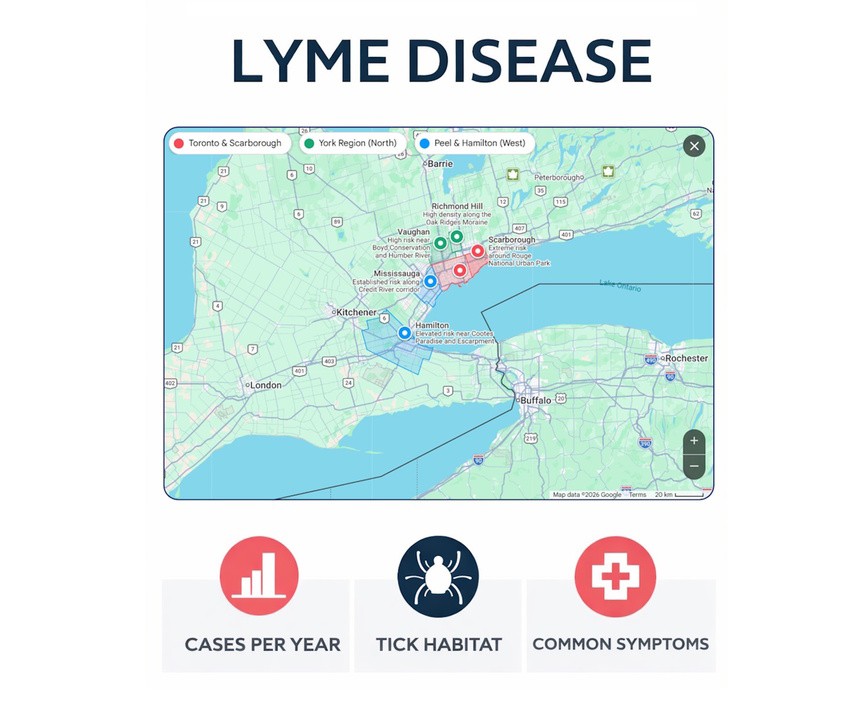
Parks Canada adds an important layer of perspective. In most of Ontario, about 20 to 25 percent of blacklegged ticks are infected. Though that figure can climb much higher in hot spots.
The broader GTA tells a similar story. York Region now states plainly that all of York Region is considered an estimated tick-borne illness risk area.
Regional Habitat Risk Comparison | |||
Region | Primary Habitat Drivers | Local Risk Status | High-Risk Neighbourhoods |
Toronto / Scarborough | Urban Ravines & Rouge National Urban Park | Established Risk | Rouge Park, Morningside Park, Don Valley |
Richmond Hill | Oak Ridges Moraine | Established Risk | Oak Ridges, Jefferson Forest |
Vaughan | Humber River & Conservation Areas | Established Risk | Boyd Conservation, Islington Woods, Kleinburg |
Mississauga | Credit River Corridor | Established Risk | Trails and yards bordering the Credit River |
Hamilton | Royal Botanical Gardens & Escarpment | Established Risk | Cootes Paradise, Escarpment-edge properties |
Hamilton says it is also a risk area for Lyme disease. Even while noting that the overall risk of infection remains low. A reminder that “low” does not mean “none.” Especially for people who spend time on trails, in conservation lands or along wooded edges.
Across Peel, public health messaging reflects the same shift in mindset. Tick exposure is no longer treated as only a rural concern. And a tick itself is not enough to diagnose illness. Which is why symptoms and medical follow-up matter more than panic.
What makes this emotionally difficult is how ordinary the setting can be. A family walk. A dog run. A child cutting through a grassy path. A quiet trail behind a subdivision. None of it feels dramatic.
That is exactly why tick-borne illness can catch people off guard. The threat does not announce itself with wilderness or warning signs. It can live at the edge of a soccer field, beside a ravine footpath or in the green spaces that make the GTA feel livable in the first place.
And the problem is not shrinking. National surveillance shows that Canada recorded more than 28,000 reported human Lyme disease cases. From 2009 through 2025, evidence shows a disease that has steadily expanded its reach.
Tick-borne illness is now part of the public health reality of Toronto and the GTA. But fear is not the answer. Awareness is. The same ravines, parks and trails that make this region livable can still be enjoyed.
With caution, with care and with the knowledge that a two-minute tick check. Can sometimes change the course of someone’s life.
The Critical Symptoms of Lyme Disease
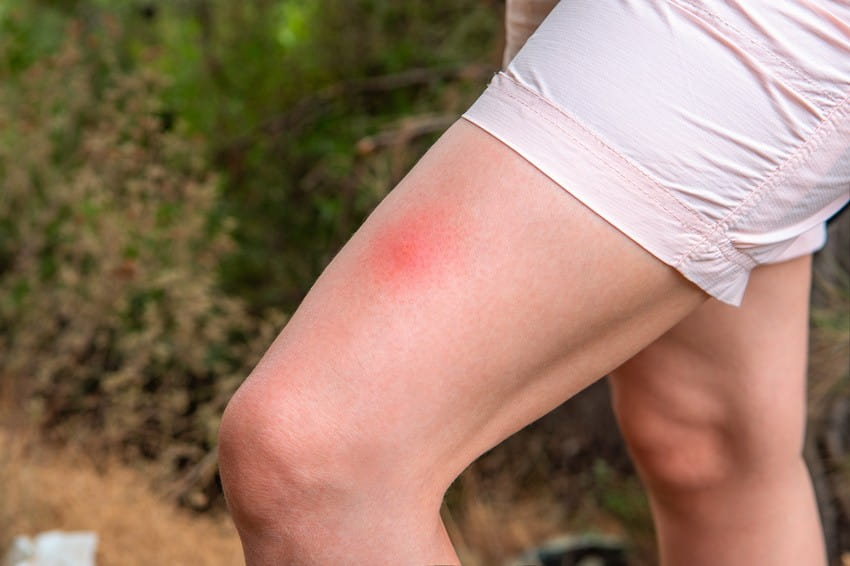
It often begins quietly. In the kind of way people are tempted to dismiss. A person may remember walking through tall grass, gardening, hiking or finding a tiny tick on the skin days earlier.
Then the body starts to feel “off.” Chills that arrive without warning. A low fever. A severe headache. Sore muscles. Aching joints. A stiff neck and fatigue that feels deeper than ordinary tiredness.
These early symptoms. Usually appear within 3 to 30 days after a tick bite. Though many people never notice the bite at all.
The symptom most people have heard about is the circular “bull’s eye” rash. But that image, while useful. It can also be misleading. That’s because the rash linked to tick borne illness. Appears in about 70 to 80 percent of infected people.
Meaning a significant number may never see one. And even when the rash does appear. It does not always look like a perfect target. It may be a widening red patch, an oval mark. A rash with central clearing or a lesion without the classic ringed pattern. It may feel warm but it is usually not very painful or itchy.
That is why the most critical symptoms are not just the famous ones. But the pattern they create together.
Fever and chills after possible tick exposure matter. A new or expanding rash matters. Headache, stiff neck, muscle pain, joint pain and unusual exhaustion matter.
Tick transmitted infection doesn’t always make a loud entrance. It can look a lot like the flu, feeling stressed out or just run down from chasing life’s demands. But if these symptoms show up after you have spent time outdoors. Especially where ticks are invited guests. It is time to get checked, pronto.
Missing tick-borne illness can up the stakes big time. When left untreated. The infection doesn’t sit still. It can sneak past the early stages. Targeting your nervous system, joints and even your heart.
Don’t brush off severe headaches, a stiff neck or drooping on one side of your face. The same goes for trouble shutting one eye. Heart palpitations or several rashes popping up. Even swelling and pain in the knees or other big joints are red flags you can’t afford to ignore.
This is when tick-borne illness crosses the line. From a puzzling illness to one that seriously messes with your day-to-day. Walking, working and sleeping. Everything can change and not for the better.
But there is hope. People who receive appropriate antibiotics in the early stages. Usually recover rapidly and completely. Spotting infection sooner rather than later. It is how you dodge the worst.
When Should You Seek Urgent Medical Care?

We have all seen the classic image in health brochures. A perfectly neat, bright red bull’s-eye target stamped on the skin. We are told to watch for this hallmark sign. And if the hallmark sign is absent. We let out a deep and grateful sigh of relief.
But I have learned that relying on this textbook image. It is one of the most dangerous gambles. In reality, the classic “target” pattern is frequently absent.
In fact, localized studies have shown that some patients present with the classic bull’s eye pattern. Some get an expanding red rash that looks like a simple bug bite. Others never develop any skin changes at all.
Waiting for a perfect visual warning sign before taking action. It is a gamble you do not want to take.
That’s because early treatment with standard antibiotics is highly effective. Delaying care allows the bacteria to travel deeper into your system. Where it can quietly begin to attack your joints, nervous system and even your heart.
And if you notice any of the following. You must seek immediate emergency medical care:
- Heart Palpitations.
- Facial Droop (Palsy).
- Severe Headache and Stiff Neck.
- Extreme Joint Swelling.
Paying attention to what your body tells you is not a weakness. It is actually your best protection against harm and illness.
Your body often notices change before your mind catches up. When these warning signs appear. You should act quickly to prevent complications from becoming severe.
Essential Tick Safety Tips Every Ontarian Should Know
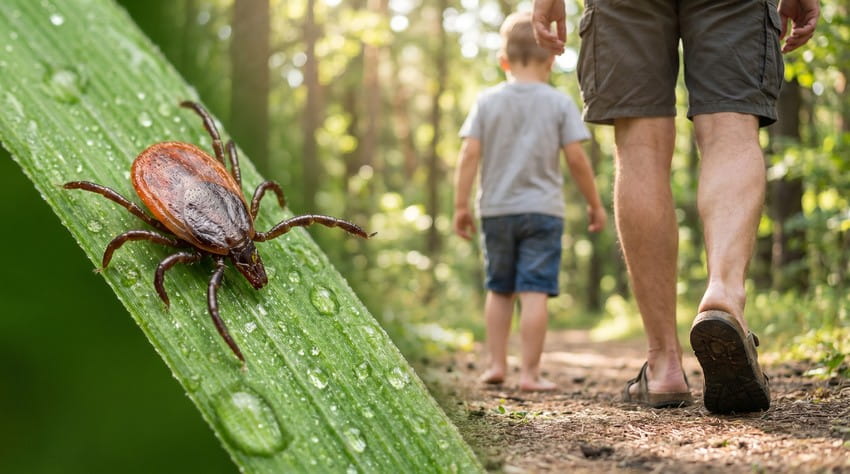
We all know the feeling, you have just enjoyed a relaxing weekend walk in High Park. The sun is setting, you are delightfully exhausted and then you spot it.
A tiny, dark speck anchored firmly to your skin. A blacklegged tick. For our patients, this moment often triggers pure and unadulterated panic.
But as future physicians. This is exactly where your calm and confident leadership steps in. Let’s break down the reality of tick safety in Ontario. Because the true narrative here isn’t about fear. It is about swift and empowering action.
Here is the most brilliantly optimistic fact you can share with a worried patient. Time is initially on our side.
The Borrelia burgdorferi bacteria. The culprit behind tick transmitted infection. It isn’t injected the moment a tick bites.
Generally, the tick needs a solid 24 to 36 hours of attachment to transmit the infection. This means a diligent and head-to-toe check immediately after an outdoor adventure.
This is proven to be a highly effective and proactive shield. Thus, teach your patients to scan themselves, their kids and their dogs the moment they get home. Finding and removing a tick early dramatically eliminates the risk before it even begins.
Now, let’s clear up a dangerous and widespread misconception. We have all studied the textbook photos of the classic “bull’s-eye” rash. It is an iconic image in medical school.
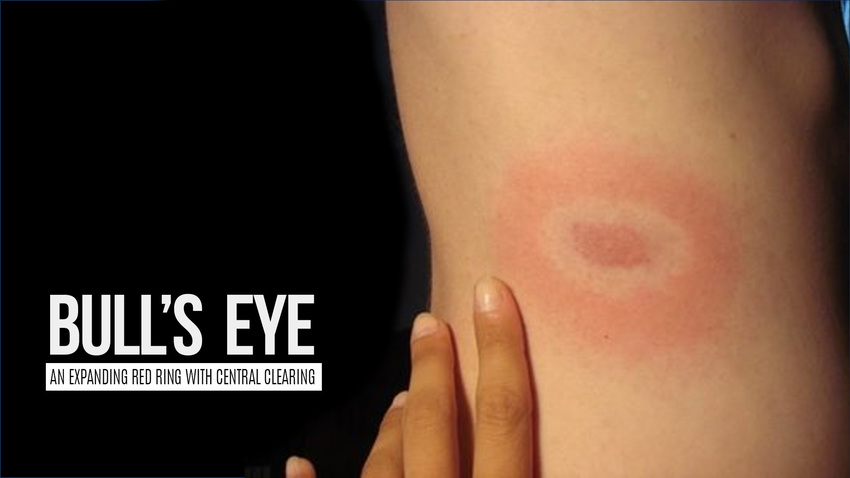
But I will say this clearly. We rely on it far too much. The reality on the ground is that this rash, erythema migrans. Only shows up in 70% to 80% of infected individuals. That leaves a massive and vulnerable blind spot.
If your patient comes to you with a sudden summer fever, crushing fatigue, headaches or deep muscle aches. After a weekend in the brush, trust your clinical instincts. Do not wait for a perfect bull’s eye to paint itself on their skin. Before taking their exposure seriously.
Thankfully, the landscape of preventative care in Ontario has recently shifted in a wonderfully practical way.
As of late 2023, patients no longer have to endure hours in an urgent care clinic just to address a known bite. If someone finds an attached blacklegged tick. They can walk straight into their local pharmacy.
Community pharmacists across the province. Now have the authority to assess the bite and directly prescribe a preventative single dose of doxycycline.
This is a massive victory for public health. It breaks down barriers, decentralizes care and gets the right prophylactic medication into the patient’s system. Exactly when it matters most.
Medicine at its very best isn’t just about treating disease. It is about erasing fear through education. Stay vigilant, stay incredibly positive and remind your patients that with the right knowledge.
A beautiful walk in the woods doesn’t have to end in anxiety. You have got this and with your guidance, your patients will too.
Protective measures for people in wooded or bushy areas

For most people tick season, especially in wooded, brushy or grassy areas. Carry a quiet worry. What if we bring something home with us?
The good news is that tick prevention is not complicated. It is practical and powerful. That means you do not need to avoid the outdoors. All you need is a routine.
Before stepping into wooded or bushy areas. Dress like you are creating a barrier. Long sleeves and long pants. To reduce the amount of exposed skin a tick can reach. Also, use light coloured clothing. Because it makes it easier to spot dark ticks before they attach.
This is why public health guidance in Canada specifically recommends. Light coloured, long sleeved shirts and pants. When entering tick habitat.
And when you walk through tall grass you should tuck your pants into your socks. It may not win any fashion awards. But it gives ticks a longer and more visible path to travel before they can reach skin.
Repellent matters too and this is where clarity is essential. Patients often reach for whatever bottle is closest or they rely on “natural” products they saw online.
But for tick prevention. You want a product approved by Health Canada and labelled for use against ticks. Health Canada identifies DEET and icaridin among personal insect repellents. And notes that icaridin products repel mosquitoes and ticks.
The Canadian Paediatric Society also states that DEET. Protects against ticks and that icaridin/picaridin can prevent mosquito and tick bites. While cautioning that some “natural” repellents may not work as well or may have less safety data behind them.
In plain language. Choose the proven protection, read the label and apply it properly.
Once on the trail, behaviour becomes protection. Walk closer to the centre of the path. Away from the tall grasses and brush that lean in from the edges of the path. . Ticks do not fly and they do not leap dramatically from trees. They wait on grasses, shrubs and low vegetation.
For a person or animal to brush past. That means every step away from the trail edge lowers the chance of contact. It is a small habit. But it can make a meaningful difference.
The most important part of prevention. However, happens after the walk. When people are tired, hungry and tempted to collapse on the couch. That is exactly when the tick-safety routine must begin.
Public Health Agency of Canada guidance recommends, showering as soon as possible after being outdoors. That’s because it can help wash off ticks that have not yet attached.
Then comes the full-body check. Scalp, hairline, behind the ears, armpits, waistline, groin, behind the knees, ankles and toes.
Children need help with this. Pets need checking too. Especially around the ears, neck, belly and also between the toes.
If a tick is found. The message should be calm but firm. Remove it as soon as possible. Panic wastes time. Prompt removal reduces risk. This is a moment where clear public education can prevent unnecessary fear, delayed care and avoidable illness.
Protection also begins at home. A backyard can either invite ticks or make survival harder for them.
Therefore, regularly mowing keeps grass short. And exposes the ground to more sunlight. Clearing leaf litter, brush and weeds from lawn edges. Removes the damp, shaded places ticks prefer.
Trimming shrubs and tree branches. Lets in light and reduces humidity. For families with children. Swing sets and sandboxes should be moved away from woodland edges. Ideally onto a dry woodchip or mulch base.
These changes may seem simple. But together they reshape the environment. And then there is the invisible transportation network. Rodents, deer and birds.
Ticks often move through a property on animals. You can seal small openings in stone walls and around the yard. This not only discourages rodents. Burt helps keep rodents away.
To discourage deer from visiting your property. Plant deer resistant species or install a fence around your property. And place bird feeders carefully. If you put them too close to your house. They may attract wildlife to areas where your children and pets spend time playing.
The goal is not to fear nature. It is to stop creating easy pathways for ticks to arrive at the doorstep.
That said, a tick-safe routine is not about living anxiously. It is about taking back control. Long clothing, approved repellent and centre-of-trail walking. Along with a post-outdoor shower, careful tick checks and smart yard maintenance. Form a strong and realistic defence.
With these habits, families can keep hiking, gardening, walking the dog and letting their children play outside. With confidence instead of fear.
How do I safely remove a tick?
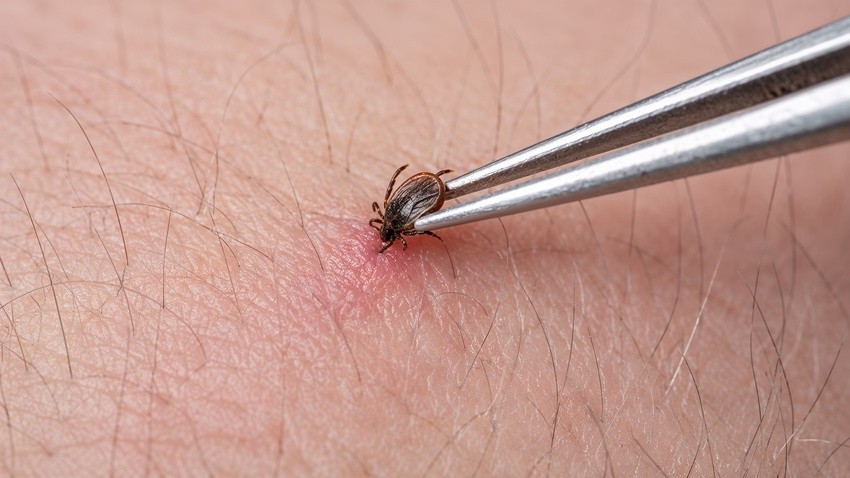
The moment you spot a tick. Time seems to change texture. A tick is small. Sometimes no bigger than a poppy seed.
That said, you should use clean and fine tipped tweezers. To grip the tick as close to the skin as you can. And pull straight upward with steady and even pressure.
Don’t twist. Don’t jerk. Those movements can cause parts of the tick to break off. And stay lodged in the skin. That makes an already stressful situation, even more upsetting.
What not to do matters just as much. Because panic breeds old folk remedies. The CDC explicitly advises against trying to make a tick detach using petroleum jelly, heat, nail polish or similar methods.
And although it is tempting to squeeze or crush. Especially if you are using your fingers because tweezers aren’t nearby. The goal is to remove the tick without mashing it. If you do use your fingers. Treat the tick like a splinter you are trying not to snap. Careful, controlled and as close to the skin as possible.
After it is out, the story isn’t over. It shifts into watchfulness. If you develop a rash or fever in the weeks that follow. You should see a clinician and tell them you had a recent tick bite. When it happened and where you likely picked it up.
That context can be the detail that helps someone connect the dots sooner rather than later. And for people who want an additional layer of clarity.
Picture here
Ontario’s eTick platform lets the public submit photos of ticks for identification through a website or app. With results typically returned quickly (often within about one business day) and displayed on an interactive map.
One important note on prevention medication. Your draft says preventive antibiotics may be offered if a tick was attached for 24 hours or more.
Current guideline summaries commonly describe prophylaxis as most beneficial after a high-risk bite.
Typically involving an Ixodes (blacklegged) tick in an endemic area that was attached for at least 36 hours. With the dose given within 72 hours of tick removal.
In real life, attachment time can be hard to judge. And the decision is clinical. So it is worth framing this as “your doctor may consider” prophylaxis depending on risk factors. Rather than a strict 24-hour rule.
Why Lyme Disease Matters for MCCQE Exam Preparation?

This is one of the MCC objectives. And it is important because it perfectly intersects with the exam’s core focus. Managing common, emerging and uniquely Canadian public health issues.
The MCCQE tests knowledge of conditions relevant to the Canadian population. Due to climate change and the geographic range of the blacklegged tick has expanded significantly.
Areas like southern Ontario, Quebec, Nova Scotia and parts of Manitoba and BC are now highly endemic. Because Lyme infection is a nationally notifiable disease with a rapidly increasing incidence rate in Canada.
Therefore, the MCCQE tests your awareness of current domestic public health threats. Classic and Variable Clinical Presentations of the disease. Offers highly testable and distinct clinical stages that make for excellent multiple-choice question vignettes:
- Early localized: The presence of an erythema migrans (target or bullseye) rash.
- Early disseminated: Neurologic issues like bilateral facial nerve palsy or cardiac issues like fluctuating atrioventricular (AV) blocks.
- Late disease: Asymmetrical oligoarthritis. Typically affecting large joints like the knee.
The MCCQE tests not just if you know a disease. But if you know the exact algorithm for diagnosing it.
Lyme infection is a frequent subject for “next best step in management” questions because of a specific clinical trap. If a patient presents with a classic erythema migrans rash in an endemic area, the diagnosis is clinical.
The exam will try to test you on clear prophylaxis and treatment guidelines. Treatment protocols for Lyme infection involve strict rules regarding patient demographics, which exams favour. As much as I would love to discuss it in more detail. I will leave that to the explanation section of the question bank.
Understanding Lyme infection for the MCCQE is not just about knowing the pathogen (Borrelia burgdorferi). It requires demonstrating clinical judgment regarding when to test. When to treat empirically and how to apply public health reporting standards in a Canadian context.
What is the Best Way to Study for MCCQE?

The best approach is to align your studies closely with the objectives. The MCC objectives that shape and define this examination. Anything less risks leaving you unprepared for the realities you will face when it matters most.
The Medical Council of Canada makes clear that the MCCQE1 is built on its Examination Objectives. Designed to assess the knowledge and clinical decision-making expected of a physician entering residency.
For that reason, for many candidates, having access to a strong Canadian question bank is the central instrument.
By that standard, Ace QBank presents itself as a serious and comprehensive option. The platform is aligned with MCC objectives. And offers more than 2,950 high-yield questions.
A scale that matters because repetition alone is not enough. You need breadth, pattern recognition and repeated exposure to the style of reasoning the exam demands.
In practical terms, the value of a large and focused Qbank is that it allows you to move beyond memorization and into the habit of clinical interpretation.
Just as important is the quality of explanation. Ace QBank provides evidence-based explanations not only for the correct answer. But for every option.
An approach that is especially useful. In an exam where success often depends on understanding. Why plausible alternatives are wrong. That is more than a convenience. It is the sort of disciplined review that strengthens diagnostic judgment, sharpens recall and reduces the risk of superficial learning.
There is also the matter of boosting exam preparation. The Qbank offers many features in that regard. Such as Timed and Tutor study modes. Performance tracking and analysis. Visual learning aids such as flow charts and summary tables.
And separate self-assessments intended to measure readiness without simply repeating the same questions from the main bank.
Those features are not incidental. They speak to a broader truth about exam preparation. Candidates perform better when they can shift between learning mode and testing mode. Identify their weaknesses precisely. And revisit difficult concepts and their mistakes in a structured way.
So, after all. What is the best way you can prepare for the MCCQE exam? The strongest answer is to use a question bank that is closely aligned with the MCC objectives. Rich in explanations, current in its content and rigorous in self-assessment.
Ace QBank makes a compelling case on each of those fronts. The Qbank can turn your study time into exam focused preparation.
Does Ace QBank Offer Demo Questions?

Yes, the Qbank offers a free demo account that lets you explore the platform on your own terms. Without pressure or commitment.
You simply register for a complimentary demo account. The process is straightforward and in return. You receive access to 21 free sample questions.
That may seem modest at first. Yet it provides a clear and authentic window into the content, the question style and the interface itself. You see how the platform actually works before deciding whether it belongs in your study plan.
During this trial period. You should put a few practical features to the test. The ability to flag questions for later review stands out as especially useful. You can also highlight key details in both the question stems and the explanations. Mirroring the way you already annotate your textbooks and notes.
Equally important are the study modes available to you. Timed mode replicates the pace and pressure of the actual exam. While tutor mode allows you to slow down and learn deliberately from each question.
You can also experiment with building your own personalized question blocks. After adjusting the number of questions within a question block.
The real value of this exercise lies in discovering whether the question bank fits the way you learn. When the platform supports your habits and gives you the structure you need. Your preparation gains focus and direction.
You owe it to yourself to find out early. Whether this Qbank will help you study more effectively and with greater confidence.
Those who take this first step. Discover that the right match becomes one of their strongest assets. As they move through the months ahead.
Key Takeaways
Ticks are present and growing in Ontario. Blacklegged ticks are present in parts of Toronto, the GTA and other regions. Particularly in wooded trails, tall grass and brushy areas. Risk can vary significantly between nearby locations.
Prevention and early tick removal are highly effective. Wear light coloured, long clothing and use Health Canada approved repellents. Stay near the centre of trails and check your body. Check children’s bodies and pets after outdoor activities. Remove attached ticks promptly with fine tipped tweezers. Do NOT squeeze. Just pull straight upward.
Lyme infection is important for MCCQE exam preparation. Medical graduates should understand its stages and variable presentations. Ace QBank is the best for MCCQE exam preparation. It is aligned with the MCC objectives. It also provides evidence-based medicine explanations for every answer option. That significantly facilitates your exam preparation.